

Time To Get Weird
 Sometimes the death of a genre can be the best thing for it.
There is always a point in any movie genre where the greed of the industry over-saturates the audience. No matter what flavor is your favorite flavor, if you get nothing but that flavor you get sick of it. We’ve seen this happen with all kinds of trends in film, from Rom Coms to Fantasy to Superhero movies. But genre exhaustion can be a good thing. Because then the only place that genre can go to survive is… someplace weird. And when the studios stop getting rewarded for playing it safe, they get desperate and try a new way. That’s great for moviegoers! Sometimes a genre has to get really cliche and really tired and be on its death bed for studios to start taking risks in that genre. Time to get weird!
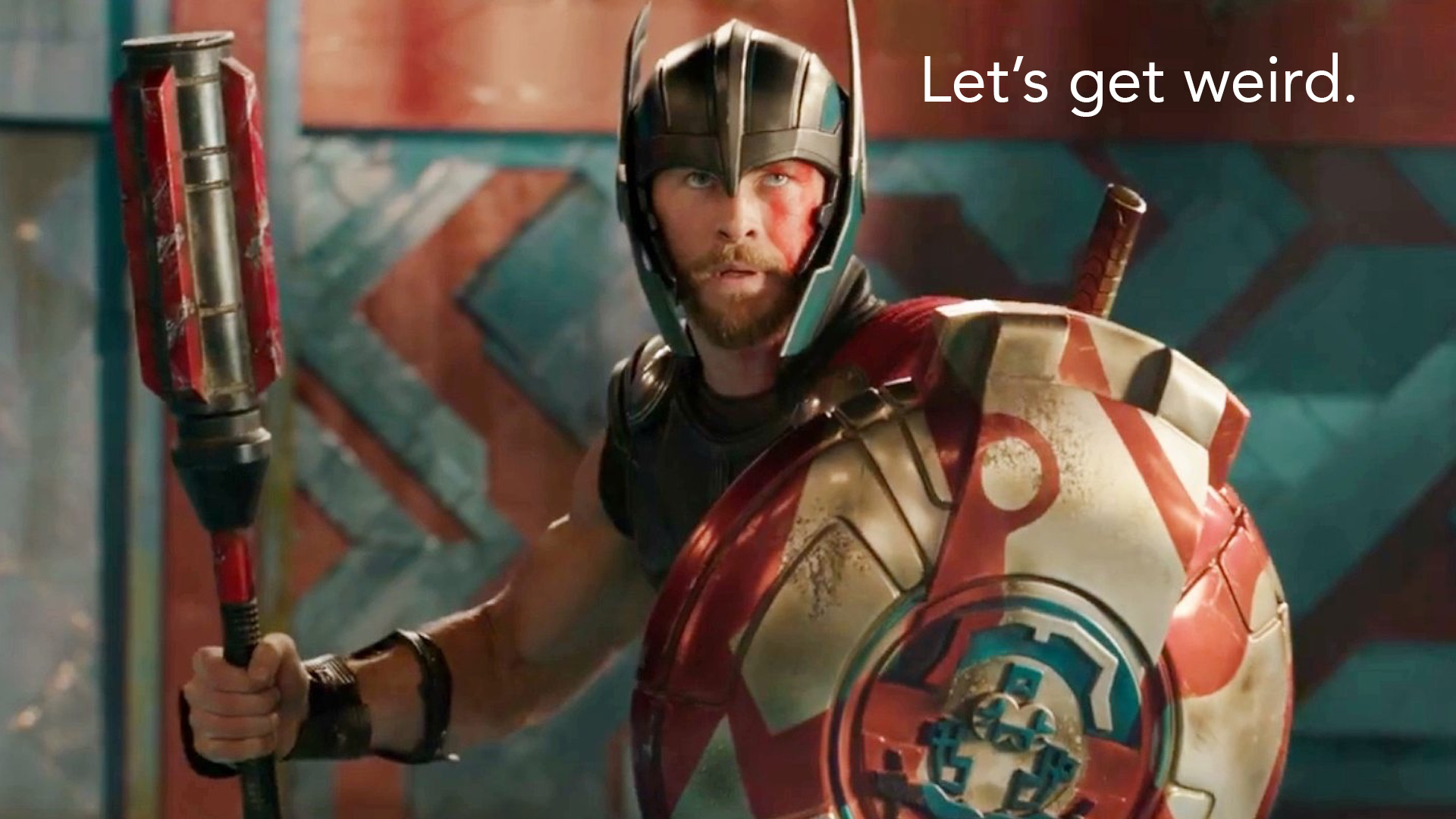
Let’s look at the superhero genre. People have been predicting the death of this one for ten years. It’s true, the market seems ridiculously over-saturated. But the only thing that died was the traditional version of a superhero film. The typical square-jawed hero in the flowing cape can’t get us to the theater anymore. We’ve seen that guy. Over and over. Marvel saw the writing on the wall very early and stopped looking at superheroes as a genre. They looked at it as a means to tell many genres of stories. Guardians of the Galaxy is a space adventure. Thor: Ragnarok is a trippy gladiator movie. Black Panther is a Shakespearean Drama. The only time DC was rewarded for their superhero movie attempts was with Wonder Woman — a female, Greek-goddess war movie. Now here comes Brightburn, flipping the entire premise of Superman onto its dark side.
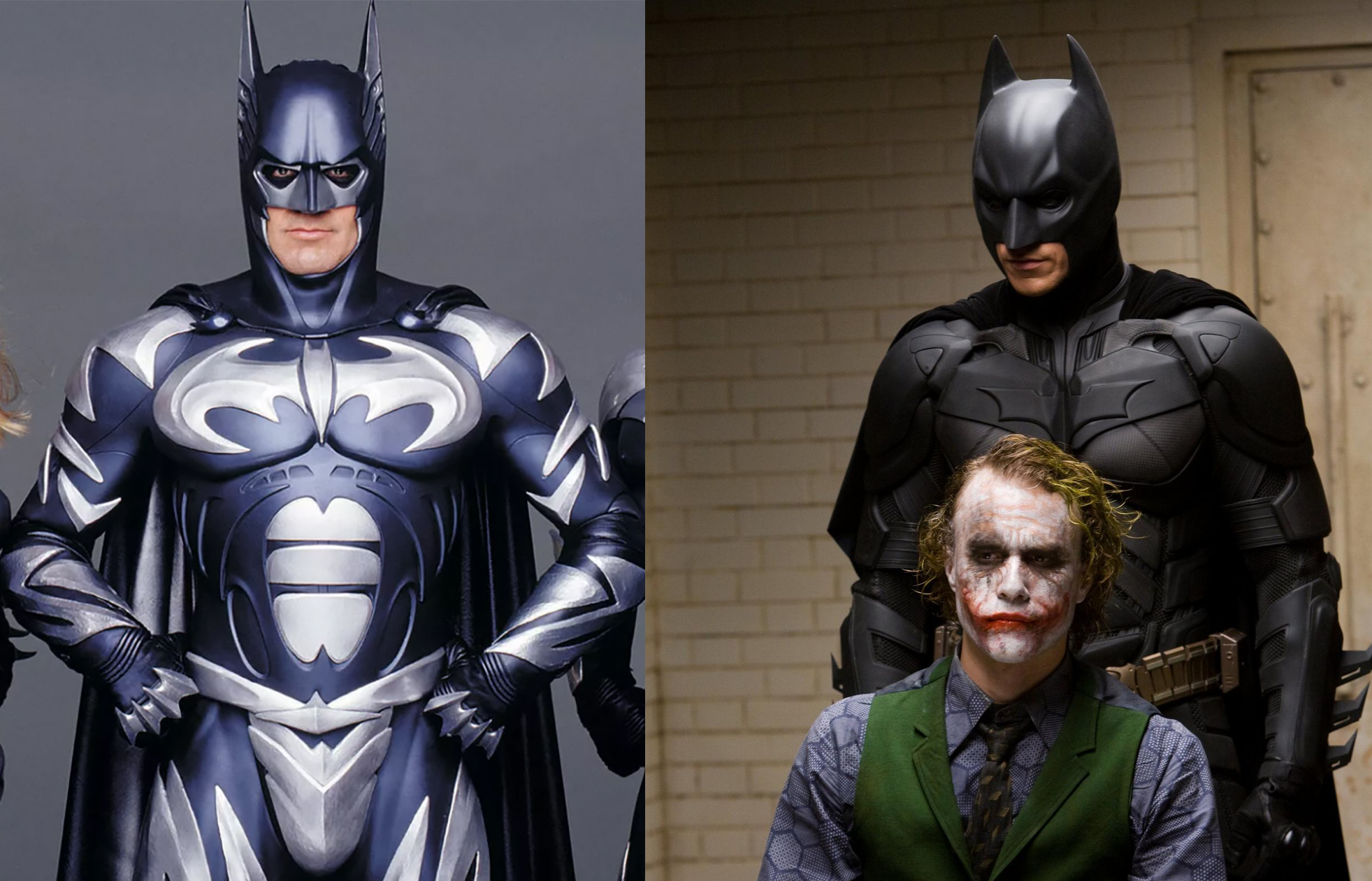 Batman is its own lesson in exhausting a character. How many times has he been rebuilt from the ground up? After the fourth version of Tim Burton’s Batman, when Joel Shumacher added nipples to the batsuit and the “Starlight Express”-dressed crusaders literally ice skated and air-surfed, we were done. Enter Chris Nolan with his take: a gritty, stripped-down, ultra-real crime story, something Warner Brothers never would’ve dreamed of doing years earlier. But they were desperate. They’d tried everything. And in their desperation, they let the filmmaker try something crazy. How glad we are that he did.
Now we’re feeling the strain of the Live Action Remake. Disney made some new money by turning their animated classics into living, breathing, realism. But it’s getting old. Almost everyone I talk to says so. This live action thing was cool for three or four movies but… ten? Dumbo stumbled, showing signs of wear. Nostalgia alone can’t be the reason we go. These movies have to stand on their own and, dare I say, subvert the originals they are based on.
 The death of a genre is an exciting time. It’s the birthing pains of something new and weird. I can’t wait to see what is weird enough to reinvigorate the western, or the sports movie, or the epic fantasy. Personally, I’m waiting for the Hope-and-Crosby “buddy movie” version of Batman and Robin. Lethal Weapon with capes! That, I’d like to see.